Procrastination is not laziness. Laziness is a person who does not want anything. You are not that person, you have a list of things you want and you can taste them. What you are doing is something else. You are afraid, and the polite word for that is procrastination.
I spent most of my early twenties calling it different names. "Waiting for the right moment." "Doing more research." "Building the foundation first." All of those were lies I told myself to avoid the part where the thing might fail and I might have to feel it. Once I named it correctly, the whole game changed. Not because naming it makes the fear go away, but because you can finally fight what you can see.
What procrastination actually is
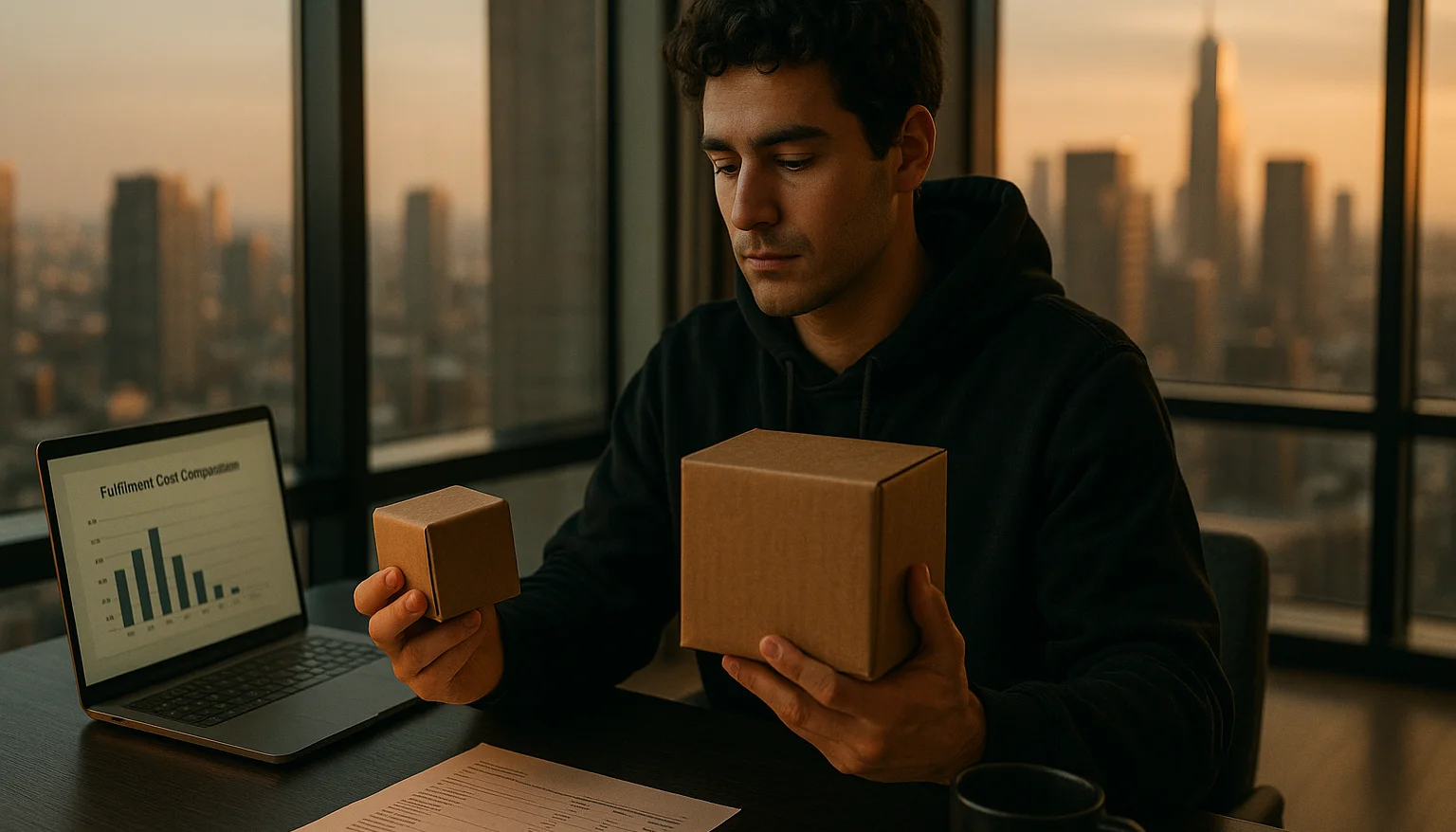
Procrastination is the gap between you and a task that scares you. The bigger the scare, the bigger the gap. That is why you can power through 30 emails for someone else's business without flinching, then sit paralyzed for three hours over a single product listing on your own store. The first one cannot fail you publicly. The second one can.
The body knows the difference even when your head pretends not to. The stomach knot at the keyboard, the sudden urge to "do laundry first", the loop back to YouTube. Those are not signs of laziness. They are signs that your brain rated this task as a threat. Once you accept that, you stop trying to fix procrastination with discipline porn and start fixing it with actual moves against fear.
The 2-minute switch
The most reliable trick I know, on me and on every student I have run it through, is shrinking the task down until it is no longer a threat.
Not "build the store today." Not "write five product listings." Open Shopify and rename the store. Two minutes. That is all you owe yourself. If after those two minutes you keep going, great. If not, you still moved. You broke the spell that says nothing is happening.
The reason it works is mechanical, not motivational. Starting is the expensive part. Once you are inside the task, the resistance drops sharply, sometimes within ninety seconds. So the only thing that matters is engineering the start. Two minutes is short enough that the fear part of your brain shrugs and lets it through. Most days you will not stop at two minutes.
When you take action, fear fades. When you overthink, fear grows. Thinking is scary. Doing is not.
Your todo list is probably the problem
Most people write todo lists like wishlists. "Launch store." "Learn Facebook ads." Those are not tasks. Those are projects, and projects do not get done, only their next visible step does. Sitting down to do "launch store" is sitting down to do nothing, which is why you reach for the phone instead.
Rewrite the line. Not "launch store" - "write the headline for the home page". Not "learn Facebook ads" - "watch the first 20 minutes of the campaign setup video and pause to take three notes". Each task should be small enough that you would feel embarrassed to skip it. That is the actual test.
Why deadlines you set for yourself do not work
You will not honour a deadline that costs you nothing to miss. That is just biology. The fix is not to be more disciplined. The fix is to bolt the task to a cost outside yourself.
Tell one specific person you will send them the draft on Thursday. Pre-pay for a thing that requires you to ship. Schedule the supplier call before the product page exists. Pick someone whose disappointment you actually mind. Then the deadline starts working because missing it now costs you something other than your own opinion of yourself, which you can always renegotiate.
The one summer I stopped procrastinating, completely by accident
When I was 19, my first project collapsed and I had to sell things to make rent. I sold my MacBook, my iPhone, even some books, just to keep one tiny project alive long enough to find out if it was viable. Those weeks I did not procrastinate once. Not because I had become disciplined. Because I had moved myself into a situation where procrastinating cost food.
I am not telling you to torch your safety net. I am telling you that procrastination shrinks in direct proportion to consequence. If your version of "starting a business" has zero real-world cost attached to today specifically, your brain will treat today as optional. Make it not optional. Put real skin in. Order the sample. Pay the deposit. Tell the friend. Anything that turns "I will" into "I have to or it hurts."
The 5pm rule for the hardest tasks
I run one rule with myself. The one task I have been avoiding gets put first thing in the morning, not last. Procrastination compounds across the day. By 5pm your willpower budget is empty and the scary task has been growing in your head all day. Touched at 9am, it is still small.
If you wake up and your stomach already tightens at the thought of one specific thing, that is your task for the morning. Everything else can wait. People who have built anything from zero do this on instinct. The rest of us learn it the long way.
If you have been stuck for months
Sometimes procrastination is not about the task, it is about the project. You may be avoiding the listing because the product is wrong. You may be avoiding the ad because the offer is weak. The body knows things the head is still arguing with.
If you have been "about to" do something for three months, sit with that for ten minutes honestly. Is the resistance coming from fear of the work, or from a quiet voice telling you the whole thing is not right? If it is the second one, the fix is not more discipline. The fix is to change the project. I have shut down three businesses that part of me had been refusing to launch for months. Closing them felt better than I expected.
And the ones I did not close, the ones I just had to push through, those started exactly the way I described above. Two minutes, public deadline, morning slot, real skin in the game. None of it is exciting. All of it works.
If you want a structured way to actually start something instead of debating it for another season, I built the order of operations into the no-experience starter guide and the rest is inside the full course. Pick the smallest possible first move. Do it today. The second move is much easier.