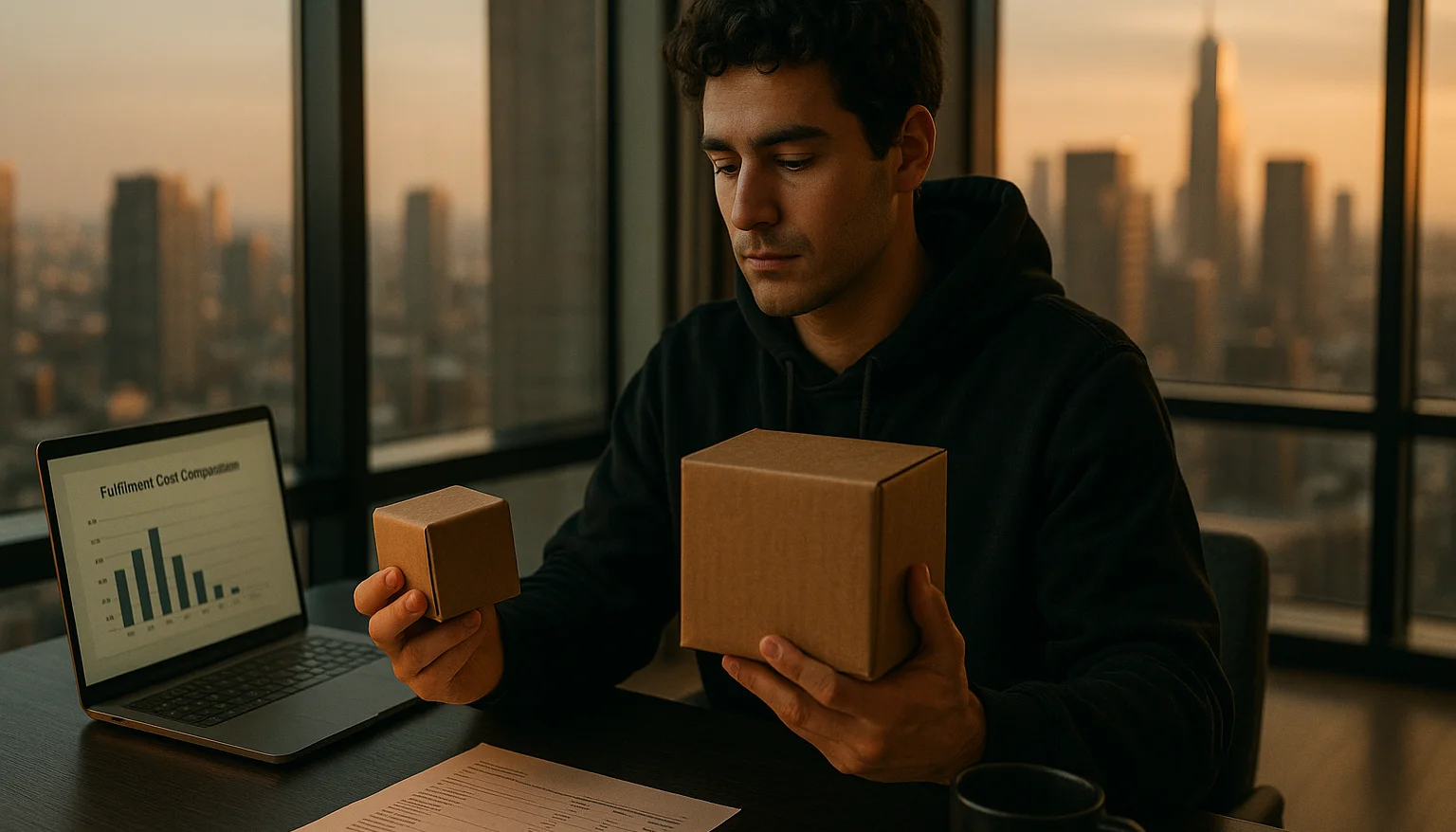
Most people eat at the laptop without thinking about the cost. You finish a meal, immediately keep working, and never connect the gradual energy slump that hits 30 minutes later with the fact that you ate while staring at a Slack thread. That tiny daily habit costs roughly 60-90 minutes of focused output a day. Compounded across a year, it is a whole side project.
What actually happens when you eat while working
Two things, both bad for output.
One, your body cannot fully digest while your brain is in cognitive load. Digestion needs parasympathetic nervous system mode - the rest-and-digest state. Cognitive work pushes you into sympathetic mode - the fight-or-flight state. The two modes oppose each other. Eating in cognitive mode means slower digestion, harsher blood sugar swings, and a 60-90 minute energy dip that you would not get from the same food eaten properly.
Two, your brain does not register the meal. You stand up an hour later with the vague sense that you have not eaten enough, and you reach for a snack. The fake hunger costs you another mental break in the afternoon. The cycle continues.
The fix is mechanical, not philosophical
The fix is not "be more mindful". The fix is to physically separate eating from the work surface.
Eat at a different table. Or a different room. Or outside. The location switch is doing 90% of the work. Your nervous system reads "different chair, no laptop" and switches to digestion mode. Twenty minutes later you stand up properly fed.
If you cannot leave the work area, at minimum close the laptop while you eat. Look at the food. Eat without scrolling. Twelve minutes of attention to the meal is enough.
The energy effect
The first day you try this, the difference is not obvious. The third day you notice you have more energy in the afternoon. The first week you have shifted noticeably toward the higher-energy version of your day.
This is not a placebo. The biochemistry is real. Better digestion produces stabler blood sugar produces steadier cognitive energy. The cost of the change is 12 minutes of attention to food. The return is 60-90 minutes of better afternoon output.
Move slowly, but do it every single day. Some of the slow moves are how you eat lunch.
What about coffee at the desk
Coffee is fine at the desk. Coffee is liquid, the digestive load is small, and most people associate coffee with focus rather than rest. The principle of separating eating from working applies mostly to actual food.
Same with water. Drink water at the desk. Always.
The line is at "anything that requires chewing and digesting a meal". That category gets its own time and place.
The bigger pattern
This article is technically about eating but the pattern is broader. Combining two cognitive contexts at the same time costs more than either context alone.
Eating + work = bad digestion, mediocre work.
Phone + sleep = bad sleep, bad phone time.
Exercise + podcasts = passable exercise, half-absorbed podcasts.
Driving + calls = both deteriorate.
The pattern is that the brain is bad at parallel processing of context-heavy activities. The cost is hidden because nothing breaks visibly. The output just gradually gets worse than it would be if you did one thing at a time.
Eating at the desk is the most common version of this in operator life because it feels efficient. It is not efficient. It is two activities both being done at 60% quality instead of two activities done at 100% in sequence.
The realistic version
I do not eat at the desk anymore. I eat at the kitchen table, or in a chair facing the window, for 15-20 minutes, with no laptop. The phone is on the table face down. I usually read a chapter of something during the meal - reading is light enough cognitively that it does not break the rest mode.
After the meal, I do a 5-10 minute walk before returning to the desk. The walk is the mental gear-shift from rest back to work. Without it, the first 20 minutes back at the desk are sluggish.
Total break: 30 minutes. Output across the rest of the day: noticeably better than if I had eaten while working for 12 minutes and immediately resumed.
How to install this
Pick one meal a day. Usually lunch. Eat it not at the desk for the next two weeks. Track your afternoon energy on a 1-10 scale.
After two weeks, compare to the baseline. Most operators see a 1-2 point improvement in afternoon energy. That maps to roughly 30-60 minutes of additional productive output in the afternoon.
Then extend to dinner. Then breakfast. By 60 days, you have stopped eating at the desk entirely, and the energy improvement is permanent.
For the broader operations layer, read why you should track your energy not just your time and the morning routine that builds an entrepreneur. The full operations module is in the course. Lunch away from the laptop tomorrow. Notice 3pm.