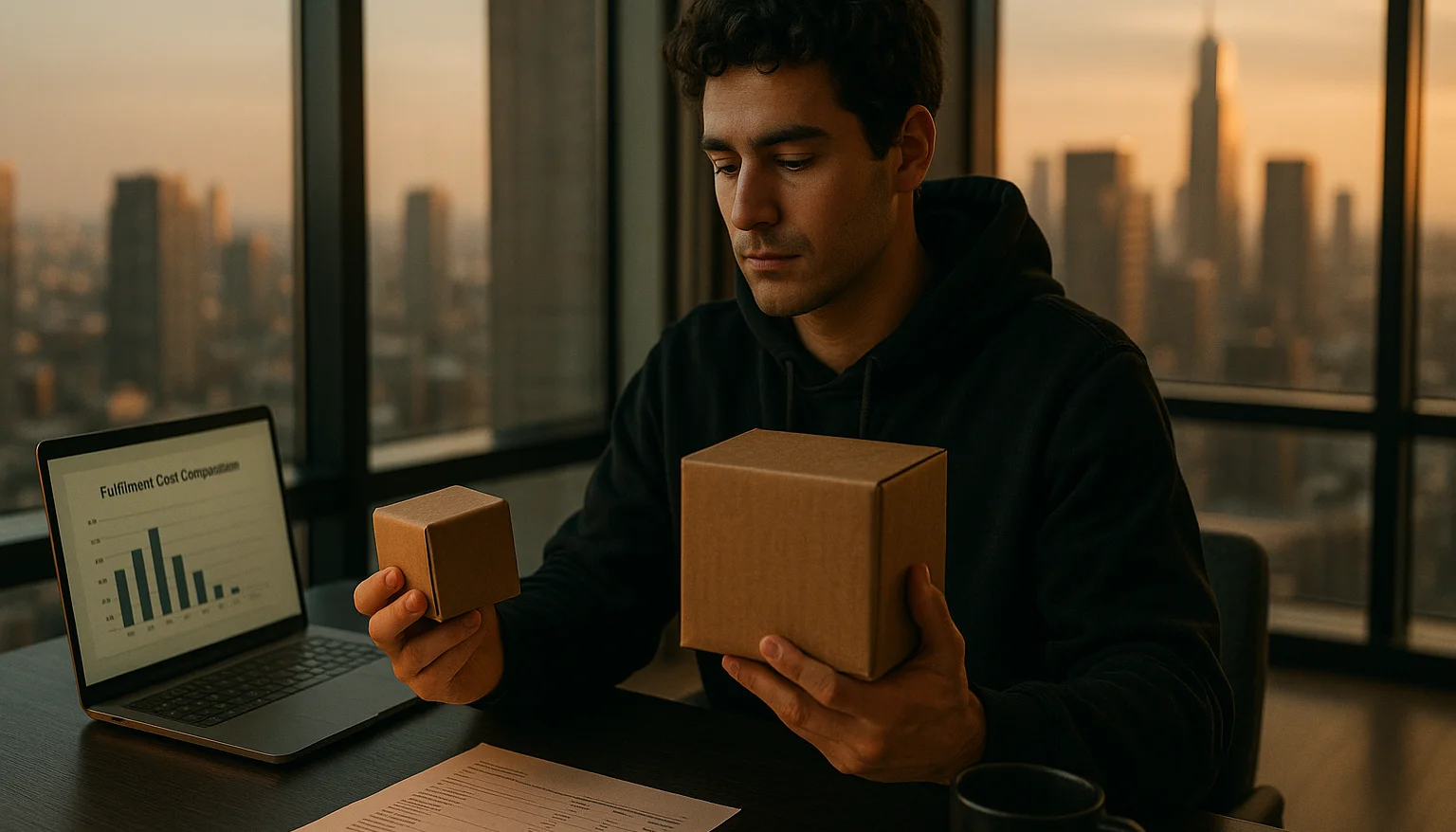
TikTok Shop in 2026 sells a specific kind of product, in a specific way, to a specific kind of viewer. Trying to sell anything outside that profile usually fails. Below are the 15 categories that consistently work for sellers in 2026, ranked roughly by margin and competition, with notes on the trap categories that look attractive but burn money.
The TikTok Shop buyer profile
Before the list, understand the buyer. TikTok Shop buyers are mostly 18-35, scrolling, impulse-driven, looking for the visual-or-feel pop that the algorithm just showed them. They do not research. They buy in the moment, often for under $40, often because the video felt like discovery rather than advertising.
This means the product has to be visual, demonstrable in 15-30 seconds, and priced for impulse. Products that need a long pitch, a comparison, a complex use case - those die on TikTok regardless of how good they are.
The 15 categories that work
1. Beauty and skincare - the dominant category. Trending serums, lip products, face tools. Margins are competitive but the volume is massive.
2. Hair care and styling tools - heat styling, scalp tools, growth serums. The demo-on-camera factor is huge.
3. Car accessories - the category that built Artur's $10K month. Specifically the practical-but-aspirational ones: detail kits, microfiber towels, organisation systems. Most viewers own cars and the upgrade is concrete.
4. Kitchen gadgets - small tools that solve a specific problem and demo well. Egg slicers, garlic crushers, air fryer accessories. Boring in writing, viral on video.
5. Home cleaning - novel cleaning tools, before-and-after demos. The transformation video is the entire selling moment.
6. Phone accessories - cases, stands, lens kits, charging gear. High volume, thin margins, fast turnover. Best as part of a catalog, not a single hero product.
7. Pet products - food puzzles, grooming tools, toys. The cute-pet video does most of the selling.
8. Fitness accessories - resistance bands, foam rollers, posture tools. Demo-driven, low-price, year-round demand.
9. Home organisation - storage containers, drawer dividers, closet solutions. The "before vs after my pantry" video format is reliable.
10. Fashion accessories - jewelry, hair clips, belts, bags under $40. Visual category, strong on aesthetic creators.
11. Tech gadgets - the small ones. Card readers, mini speakers, novelty USB tools. Big ticket tech (laptops, phones) does NOT work on TikTok Shop.
12. Baby and toddler - safety items, feeding tools, sleep aids. Parents are the most impulse-buying audience for "this would have saved me" content.
13. Personalised gifts - custom mugs, name necklaces, family portraits. The personalisation drives the share-the-video factor.
14. Stationery and journals - aesthetic-driven category, especially around productivity and study communities.
15. Outdoor and travel - small functional items. Travel adapters, packing cubes, camping accessories. The "things you did not know you needed for your trip" format works.
The trap categories
Categories that look attractive but mostly do not work on TikTok Shop in 2026:
High-ticket furniture and appliances. The platform's buyer profile is impulse, not considered.
Most apparel above $50. The conversion gets brutal as price rises beyond impulse.
Anything that needs careful sizing (shoes, structured clothing). Returns rates wreck the margin.
Most digital products. The platform mechanics do not handle digital delivery as smoothly as Etsy does.
Generic supplements without a unique angle. Saturated and the FDA-adjacent content moderation makes scaling hard.
Print-on-demand t-shirts with text-only designs. Race-to-the-bottom on price.
The customer is not buying a $2 thing for $10. They are buying the thing that looked like it was worth $30 in a 15-second video.
How to pick from the list
The shortlist of 15 narrows to 1-2 candidates for your specific situation based on three filters.
Filter 1 - can you demo it in 15 seconds. If the product needs explanation, skip.
Filter 2 - can you find suppliers with the unit economics. Retail under $40, COGS under $10, room for ads. Detail in how to find suppliers for your store.
Filter 3 - do you have any taste or specific knowledge in the category. Selling beauty if you do not use beauty products is harder than selling car accessories if you actually drive a car.
Pick one. Order samples. Make 10 video variations. Run them as TikTok Ads. See which one the algorithm rewards. Iterate from there.
The execution playbook
Find the product. Order 50-200 units from a US warehouse or fast Asian supplier with US shipping.
Set up the TikTok Shop account. Apply for the relevant categories. Get approval.
Produce 20-30 video variations in the first month. Native-feeling, hooks in the first 2 seconds, product visible by second 3. UGC creators are cheaper than you think.
Run Spark Ads on the best-performing organic videos. Budget $50-$150/day on the winner.
Scale fast when something hits, kill fast when nothing is hitting. The TikTok cycle is faster than Amazon's. Decisions in days, not months.
For the full TikTok Shop playbook, read TikTok Shop: the complete seller's guide for 2026. The full module - including the video creative framework and the supplier shortlist - lives in the course. Pick from the list. Order samples this week.